

NAVIGATION : Registration / The programme / Congress events / Accommodation
In the face of environmental challenges, we can either wait for the negative effects that will inevitably occur, hoping that we will be affected as little as possible, or take hold of the issue by each of us becoming an agent of transformation.
To do so, I propose a 10-point eco-responsible approach :
Commit and train
Assess
Travel
Stay
Manage IT
Medical devices
Purchases
Chemical products
Dispose
Eco-care
With a guiding thread: adaptation and animation
The orthodontist is required to use numerous devices which, when placed in our patients’ mouths, are subjected to thermal, mechanical, chemical and microbiological stressors.
This inevitably leads to deterioration of our orthodontic devices, raising the question of possible release of chemical substances.
Among these substances, bisphenol A (BPA), which is involved in one way or another in the synthesis of certain resin-based orthodontic devices (bonding composites and associated adhesive systems, brackets, as well as containment splints and aligners), is recognized as an endocrine disruptor.
That is why it has been at the center of attention in recent years regarding its biological effects and its toxicity for the body, particularly in at-risk populations (children, adolescents, pregnant women).
Since orthodontic treatments concern mostly children and adolescents and young adults, it is important to know and take into account the potential harmful effects of the orthodontic devices we use, particularly regarding the presence of bisphenol A.
The aim of this presentation will be to review recent literature data on the release of toxic substances by our resin-based orthodontic materials and to formulate clinical recommendations to limit their toxicity.
The medicalization of our profession is a major issue, but it is not an ideology or a trend!!
To understand orthodontics is to understand malocclusions, how they develop, the successes and failures of our orthodontic treatments +/- multidisciplinary.
In that case, occlusal reading alone seems limited if we also consider the functions of mastication, swallowing, breathing and the posture of our patients.
L’orthodontie neuromusculaire (ONM ™) prend alors tout son sens.
The precision of diagnosis through the study of dental, muscular and joint dynamics makes it possible to understand occlusion maturation and the issues mentioned during consultations in the clinic.
Balance and physiological proprioception in oro-facial functions are the objectives of our treatments.
By reading occlusal dynamics and through electromyographic studies, the balance of the components of the articular-musculo-dental system is understood and sought.
These diagnostic tools enable orthodontists and dentists to become occlusodontists of neuromuscular dynamics.
At a time when the health and environmental effects of certain materials used in orthodontics are better identified, healthcare ethics requires reflection on our practices.
This lecture explores the links between clinical choices, professional responsibility and ecological impact. It offers directions for a more informed, sustainable orthodontics.
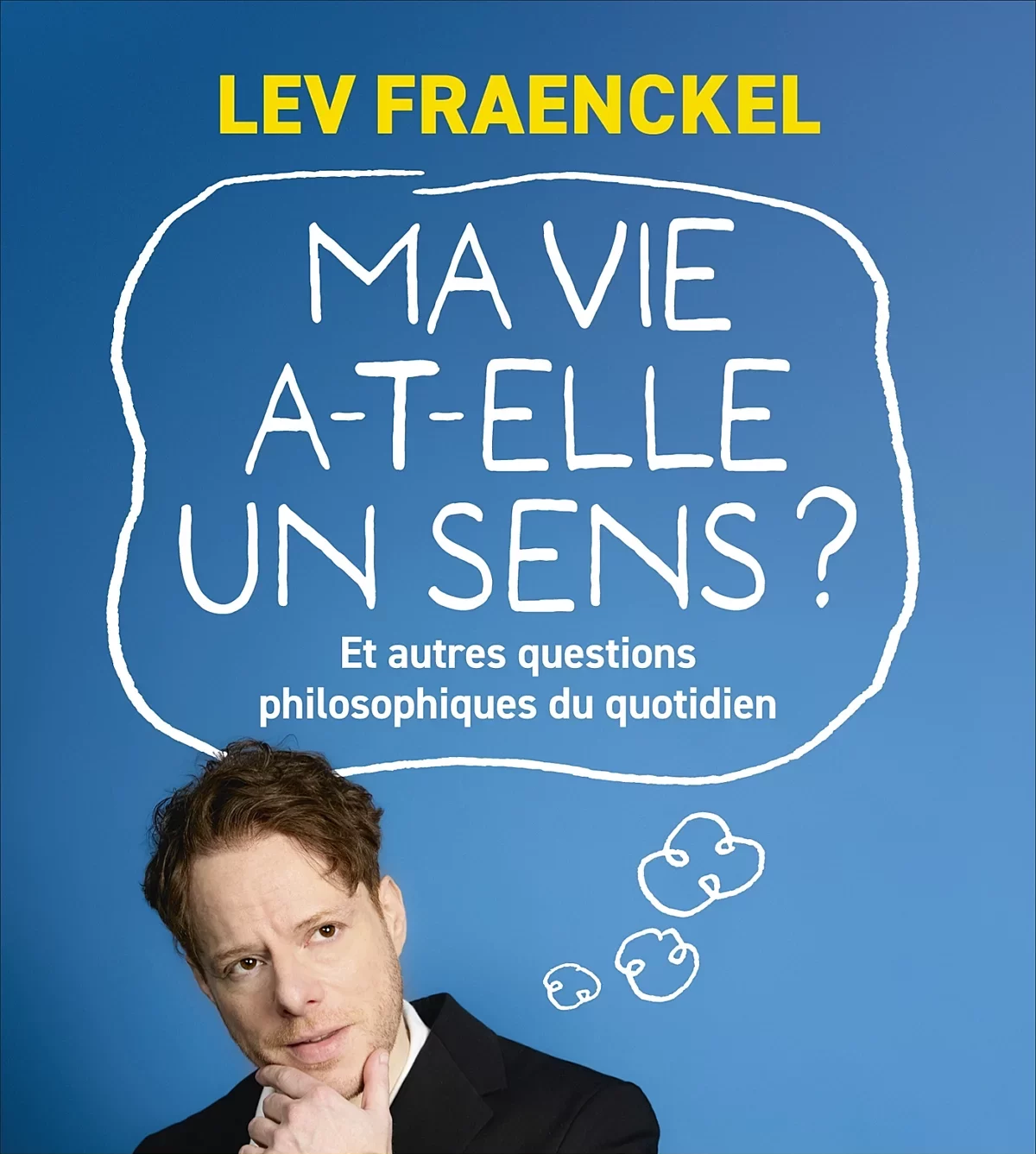
Through an accessible, contemporary reflection, this book invites you to confront the absurd in order to find genuine, creative freedom.
For if life may not have a predefined meaning, it is a wonderful opportunity to create one for oneself.
Orthodontics plays a key role in periodontal health, with effects that are often beneficial but sometimes harmful. For instance, it makes it possible to improve oral hygiene by correcting malpositions, or to restore function following secondary migrations—common consequences of periodontal diseases. 8
However, uncontrolled tooth movements or inadequate retention can lead to gingival recessions and periodontal complications. 8
A multidisciplinary approach is essential to maximize benefits while minimizing risks to the supporting tissues of the teeth.
Where do our impacts come from, and what are our action levers in the short, medium and long term? This presentation, designed as a discussion between Dr Pastwa and Dr Oosthoek, will aim to inform thinking on decarbonizing our activities, and more broadly on what the transition to a more sustainable practice involves.
At the time of the climate challenge, the general dental practitioner and specialist must integrate into their daily practice measures aimed at reducing the environmental impact of their office. But few data exist on the challenges of the ecological transition in dentistry.
Justin Oosthoek, specialist in dentofacial orthopedics and consultant for an engineering office on the low-carbon transition, will provide a scientific approach to the subject, while Elise Pastwa, also a specialist, will try to derive concrete applications to implement in the dental office, while ensuring the quality of care and a healthy working environment for staff and patients.
The objective of a debonding protocol is to ensure complete removal of composite resin without damaging the enamel surface. A systematic review was conducted to analyze the impact of orthodontic debonding on the enamel surface.
Introduction :
Orthodontics is at a fascinating crossroads: never before have as many technological tools
been available to explore, diagnose, plan, and simulate treatments.
Yet some specific and effective clinical devices, such as multi-lingual
brackets, are gradually disappearing from the therapeutic landscape.
The technological explosion: promises and limits
Technological orthodontics… up to the frenzy of drunkenness!
Advanced 3D imaging: see everything. Model everything.
CBCT, intraoral scanners, 3D facial reconstructions have revolutionized the
patient’s visualization.
Digital models make it possible to plan tooth movements with
micrometer-level theoretical precision.
Artificial intelligence: predict everything. Trace everything.
• Assisted diagnosis, automatic segmentation, treatment predictions.
• IA générative pour le « setup virtuel » et la simulation de résultats esthétiques.
Aligners, scanners, instant simulations. But...
We face:
• a risk of over-dependence on standardized predictive models.
Do we still understand what our clinical eye detects beyond the
digital model?
• a progressive loss of intuitive clinical capability (perceptive diagnosis,
adaptive reasoning in atypical cases). Do we still feel what our hands sense?
The paradox of the retreat of direct clinical expertise that fades away.
Disappearance of tools:
• multi-bracket lingual systems are being withdrawn from the market due to lack of profits.
• Are mechanical plans or ultra-personalized mechanotherapy disappearing?
Today, we are turning to simplification:
➔ Faster. Simpler. More profitable.
➔ But unfortunately less precise for complex cases.
What are the risks?
Avoir un orthodontiste qui « suit » des prédictions… plutôt qu’un créateur de traitements
that are tailored.
Une technique demandant haute maîtrise mécanique, sens clinique aigu et adaptation fine en bouche est remplacée par des aligneurs ou appareils standardisés nécessitant moins d’intervention clinique quotidienne.
Et en conséquences :
Nous aurons une réduction de la diversité mécanique disponible pour traiter les cas complexes. Et moins d’options personnalisées pour des patients spécifiques, comme certaines dysmorphoses adultes exigeantes (ATM et asymétrie).
Le vrai défi de demain : Convergence ou Résilience,
le vrai chemin sera une fusion, pas une soumission.
La main clinique doit guider la machine, pas l’inverse. L’intuition biomécanique reste
irremplaçable et n’est pas, pour le moment, modélisable. Utiliser la technologie comme
extension des compétences humaines, non comme substitut. La technologie doit être
un levier, pas un GPS ou pilote automatique.
La formation des orthodontistes, qui devront être capables de raisonner au-delà de l’outil numérique et conserver une maîtrise mécanique et biomécanique fine pour
garder une adaptabilité face aux cas non standardisables par simulation numérique et IA.
Conclusion :
L’orthodontie de demain ne sera pas celle qui aura le plus de robots ou de scanners,
mais celle qui saura intelligemment combiner intuition clinique, rigueur biomécanique
et puissance numérique.
Le défi n’est pas d’ajouter toujours plus de technologie, mais de rester orthodontiste
in a world of machines.
In summary:
“Tomorrow’s orthodontics will not be 100% digital; it will be 100% augmented by
the human.”
“The more you see in 3D, the more you need to think with more dimensions.”
“Master technology without giving up clinical art.”
The practice of our profession as orthodontists has a significant ecological impact. Practicing while ignoring this aspect is hardly acceptable today, and the purpose of this conference is to try to propose and explain a reproducible ecological project, making it possible to minimize this impact while involving your team and your own patients.
Introduction : Les perturbateurs endocriniens sont des xénobiotiques inventés grâce au développement de la chimie organique et minérale à partir du milieu du 18ème siècle. Ils sont ubiquitaires et sont en grande partie la cause de l’augmentation exponentielle, des pathologies dites chroniques… Ils ont par ailleurs des caractéristiques toxicologiques particulières surprenantes qui nous impliquent de bien les connaître et les reconnaître afin de mettre en place une réelle prévention…
Je profiterai de cette intervention pour vous montrer, au cas où, s’il s’en trouve dans l’exercice de votre profession...
Aesthetic requirements are increasing, particularly at the end of orthodontic treatment.
Our patients find it difficult to accept shape, color, or symmetry disharmonies after spending many months, or even years, with the orthodontist.
Preservative dentistry, based on adhesion, makes it possible to effectively address these end-of-treatment concerns by adapting to the patient’s age.
This cosmetic dentistry is now established as a genuine aid to finishing orthodontic treatments thanks to techniques such as injected composites, veneers, cantilever bridges, infiltration of spots through erosion, whitening, etc.
This lecture aims to explain, through numerous clinical videos, the contribution of these aesthetic preservative techniques to finishing orthodontic treatments.

Our profession and eco-responsibility
Abstract coming soon
University Hospital Practitioner in Dentofacial Orthopedics
Toxicity of resin-based orthodontic materials:
current data and clinical recommendations
The orthodontist is required to use numerous devices which, when placed in our patients’ mouths, are subjected to thermal, mechanical, chemical and microbiological stressors.
This inevitably leads to deterioration of our orthodontic devices, raising the question of possible release of chemical substances.
Among these substances, bisphenol A (BPA), which—one way or another—takes part in the synthesis of certain resin-based orthodontic devices (bonding composites and related adhesive systems, brackets, as well as retention splints and aligners), is recognized as an endocrine disruptor. That is why it has been at the center of attention in recent years regarding its biological effects and its toxicity to the body, particularly in at-risk populations (children, adolescents, pregnant women).
Since orthodontic treatments concern mostly children and adolescents and young adults, it is important to know and take into account the potential harmful effects of the orthodontic devices we use, particularly regarding the presence of bisphenol A.
The aim of this presentation will be to review recent literature data on the release of toxic substances by our resin-based orthodontic materials and to formulate clinical recommendations to limit their toxicity.
video
Abstract coming soon
Medical Orthodontics
The medicalization of our profession is a major issue, but it is not an ideology or a trend!!
To understand orthodontics is to understand malocclusions, how they develop, the successes and failures of our orthodontic treatments +/- multidisciplinary.
In that case, occlusal reading alone seems limited if we also consider the functions of mastication, swallowing, breathing and the posture of our patients.
L’orthodontie neuromusculaire (ONM ™) prend alors tout son sens.
The precision of diagnosis through the study of dental, muscular and joint dynamics makes it possible to understand occlusion maturation and the issues mentioned during consultations in the clinic.
Balance and physiological proprioception in oro-facial functions are the objectives of our treatments.
By reading occlusal dynamics and through electromyographic studies, the balance of the components of the articular-musculo-dental system is understood and sought.
These diagnostic tools enable orthodontists and dentists to become occlusodontists of neuromuscular dynamics.
Ethics, health and the environment: can we still ignore what we know?
At a time when the health and environmental effects of certain materials used in orthodontics are better identified, healthcare ethics requires reflection on our practices.
This lecture explores the links between clinical choices, professional responsibility and ecological impact. It offers directions for a more informed, sustainable orthodontics.
300k TikTok
The Meaning of Life
Through an accessible and contemporary reflection, this book invites you to confront the absurd in order to find creative, authentic freedom. Because if life may not have a predefined meaning, it is a wonderful opportunity to create one for yourself.
Orthodontics and Periodontics: Allies or Adversaries?
Orthodontics plays a key role in periodontal health, with effects that are often beneficial but sometimes harmful. It can, for example, improve oral hygiene by correcting malpositions, or restore function following secondary migrations—frequent consequences of periodontal diseases.However, uncontrolled tooth movements or unsuitable splinting can lead to gingival recessions and periodontal complications.A multidisciplinary approach is essential to maximize benefits while minimizing risks to the supporting tissues of the teeth.
SQODF & consultant in a design firm specializing in the low-carbon transition
Towards a low-carbon practice: issues and solutions
Where do our impacts come from, and what are our action levers in the short, medium and long term? This presentation, designed as a discussion between Dr Pastwa and Dr Oosthoek, will aim to inform thinking on decarbonizing our activities, and more broadly on what the transition to a more sustainable practice involves.
Doctor of Dental Surgery – Specialist in Dentofacial Orthopedics – Former Intern of the Hospices Civils de Lyon – DU in Medical Law – Faculty of Law, University of Lorraine
1. Moving toward environmental responsibility in the practice: issues / solutions (joint lecture with Dr Justin Oostoek
In the face of the climate challenge, the general dental practitioner and specialist must incorporate into their day-to-day practice measures aimed at reducing the environmental impact of their practice. However, there is little data on the issues involved in the ecological transition in dentistry.
2. Debonding orthodontic attachments and integrity of the enamel surface
The objective of a debonding protocol is to ensure complete removal of composite resin without damaging the enamel surface. A systematic review was conducted to analyze the impact of orthodontic debonding on the enamel surface.
Tomorrow’s orthodontics / fixed therapy vs aligner splints
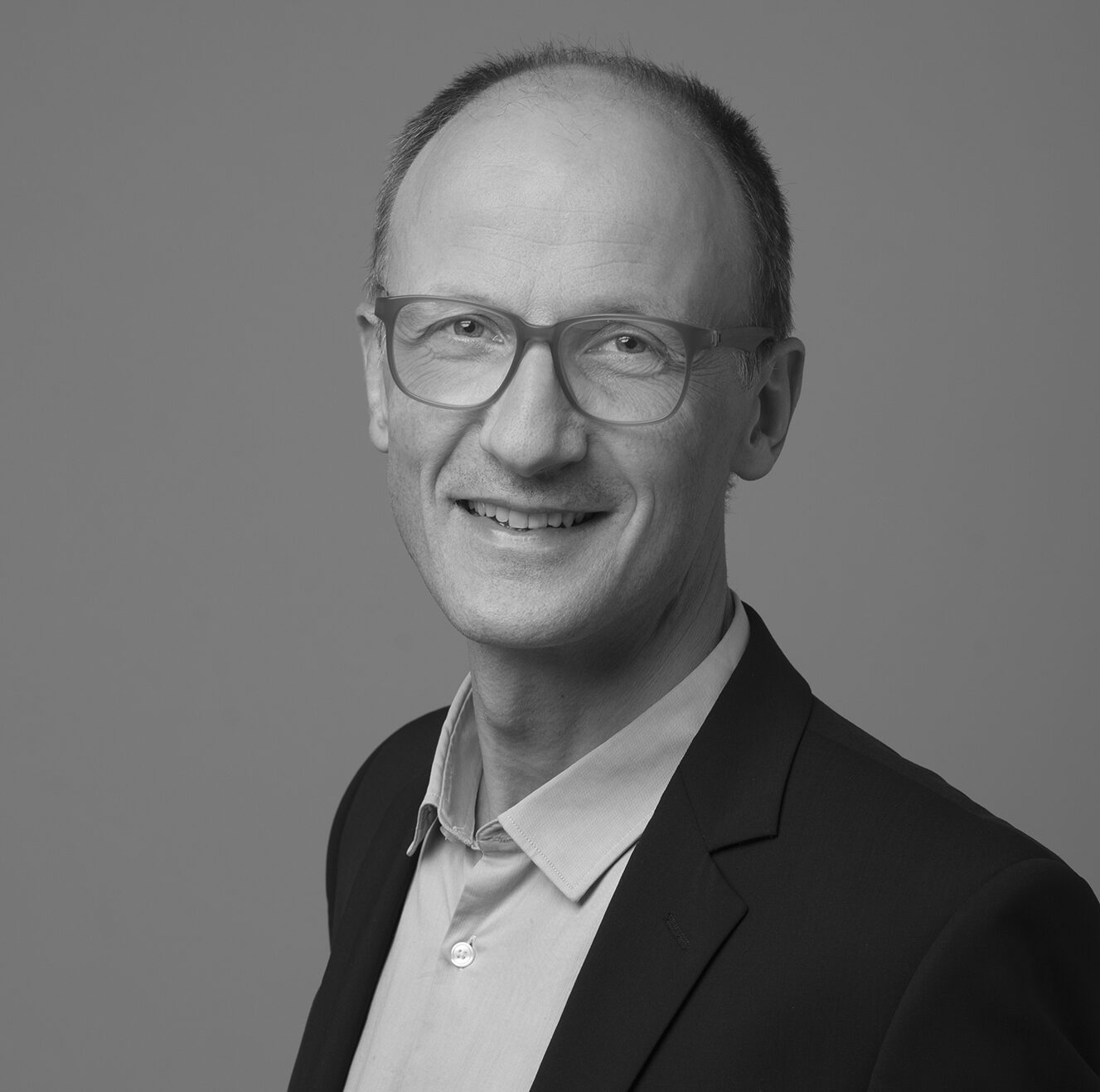
How to involve your patients in an eco-responsible approach to help understand your environmental impact
The practice of our orthodontic profession has a significant environmental impact.
Practicing while overlooking this aspect is hardly acceptable today, and the whole value of this conference is to propose and explain a reproducible ecological project, allowing this impact to be minimized while involving both your team and your patients.
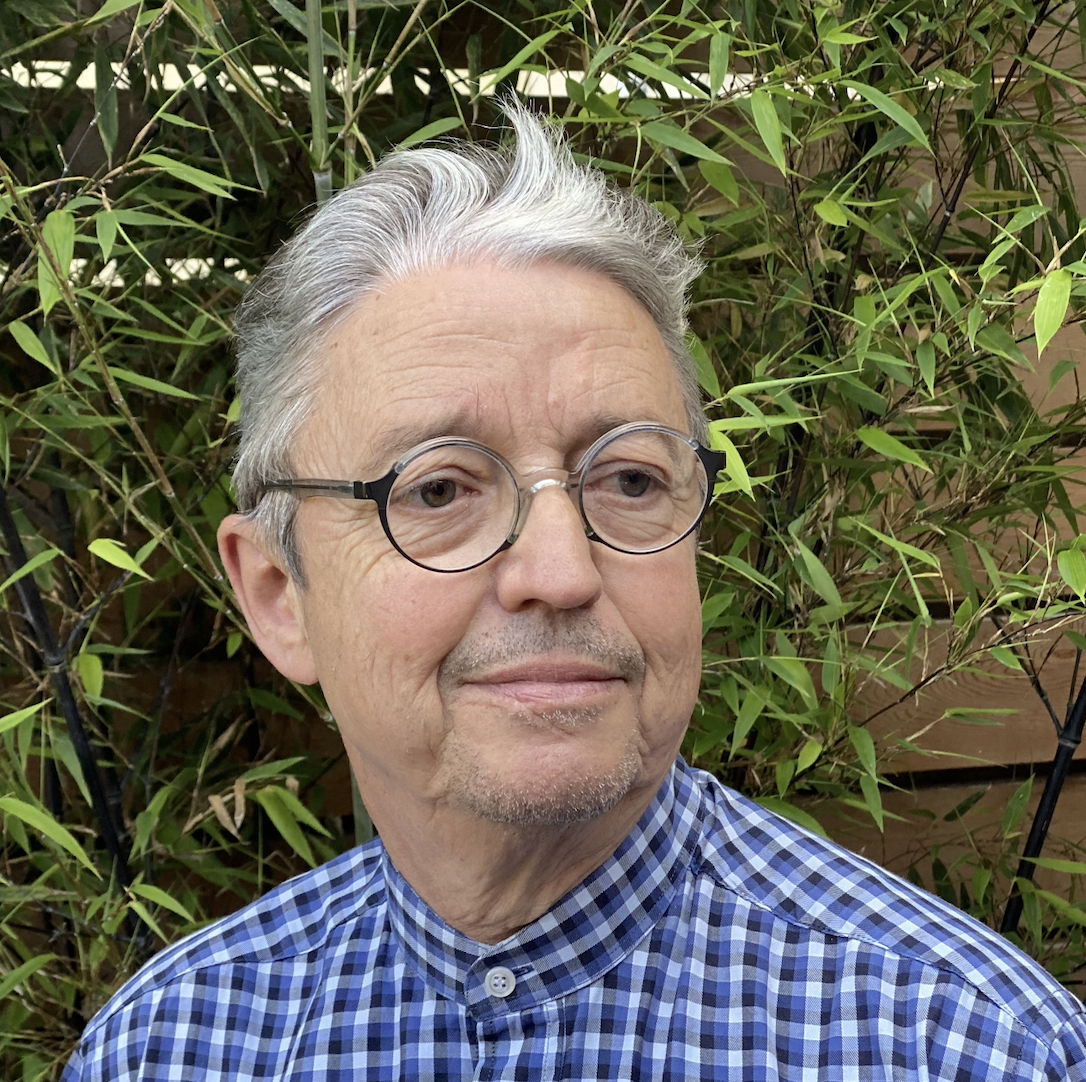
Educational Director of the “Diplôme Universitaire de Médecine Environnementale” (DUME), CHU Henri Mondor, Faculty of Medicine, Paris/Créteil.
Endocrine disruptors: what risks to health
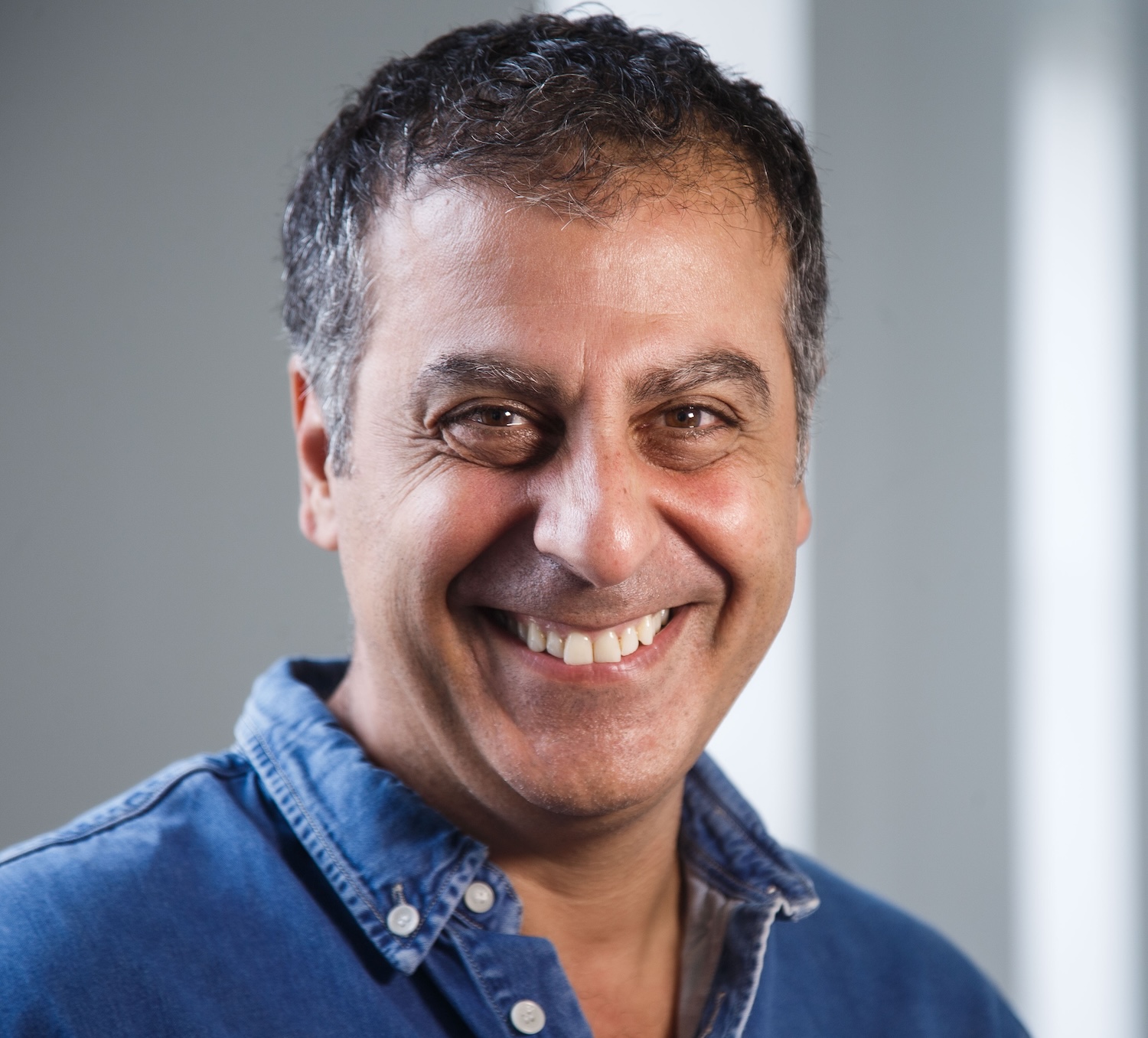
Academic teaching coordinator in the Department of Conservative Dentistry – Endodontics at the Faculty of Dental Surgery in Strasbourg
-Educational coordinator of the DU in Smile Aesthetics from Strasbourg
How to treat leukoses or white spots
Aesthetic requirements are increasing, particularly at the end of orthodontic treatment.
Our patients find it difficult to accept shape, color, or symmetry disharmonies after spending many months, or even years, with the orthodontist.
Preservative dentistry, based on adhesion, makes it possible to effectively address these end-of-treatment concerns by adapting to the patient’s age.
This cosmetic dentistry is now established as a genuine aid to finishing orthodontic treatments thanks to techniques such as injected composites, veneers, cantilever bridges, infiltration of spots through erosion, whitening, etc.
This lecture aims to explain, through numerous clinical videos, the contribution of these aesthetic preservative techniques to finishing orthodontic treatments.